Compare semi-metallic and ceramic brake pad options for passenger cars, commercial vehicles, and selected Ford applications.
Brake pad sourcing involves more than comparing prices. Importers and distributors must align friction material, vehicle fitment, OE references, certification requirements, and target-market expectations. A structured product range can support everyday replacement demand as well as application-specific programs.
Materials for Different Market Positions
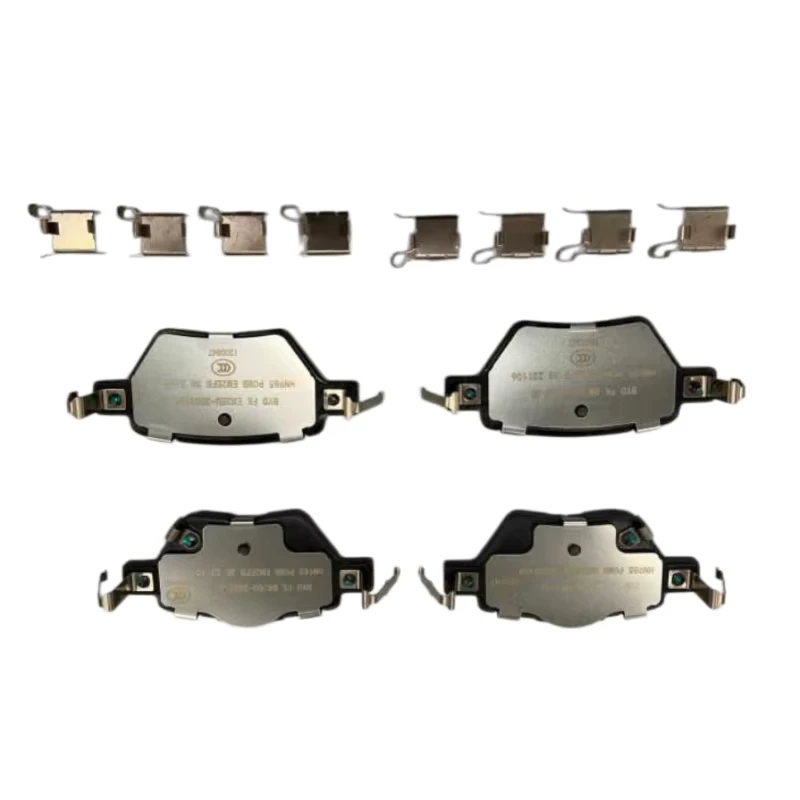
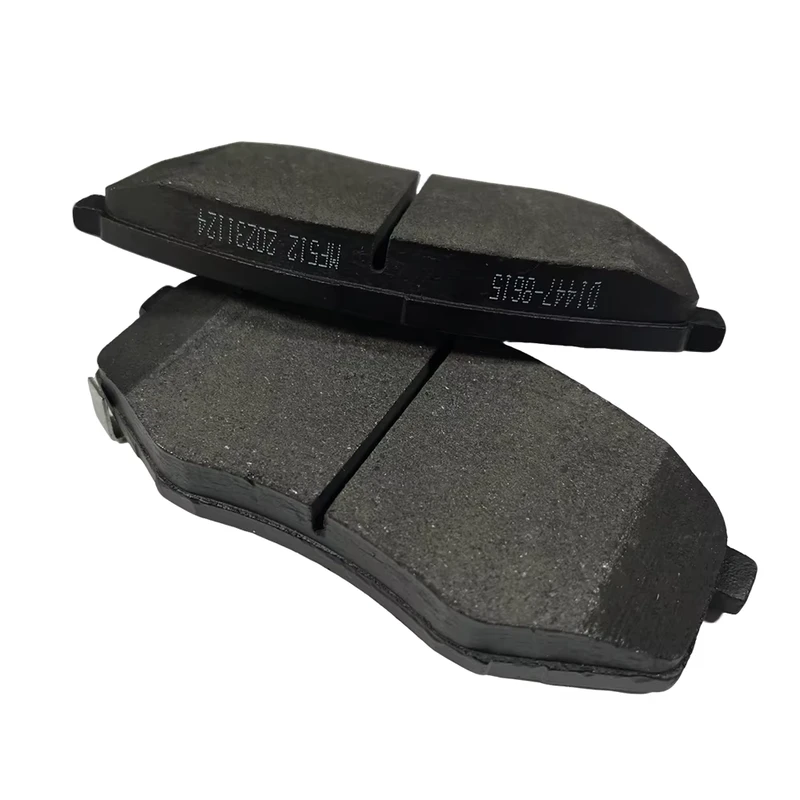
For broad replacement coverage, these semi-metallic brake pads are intended for passenger cars, trucks, and commercial vehicles. Available OE references include 58101C5A00, 58101C5A70, 58101S1A70, and 58101S1A75. Buyers should confirm dimensions and vehicle application data before finalizing orders.
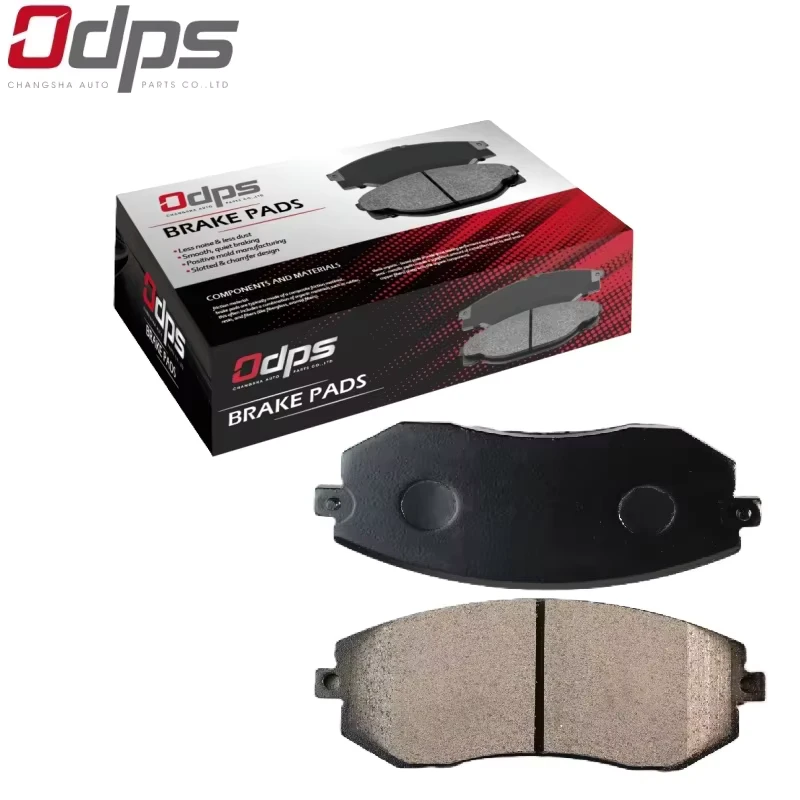
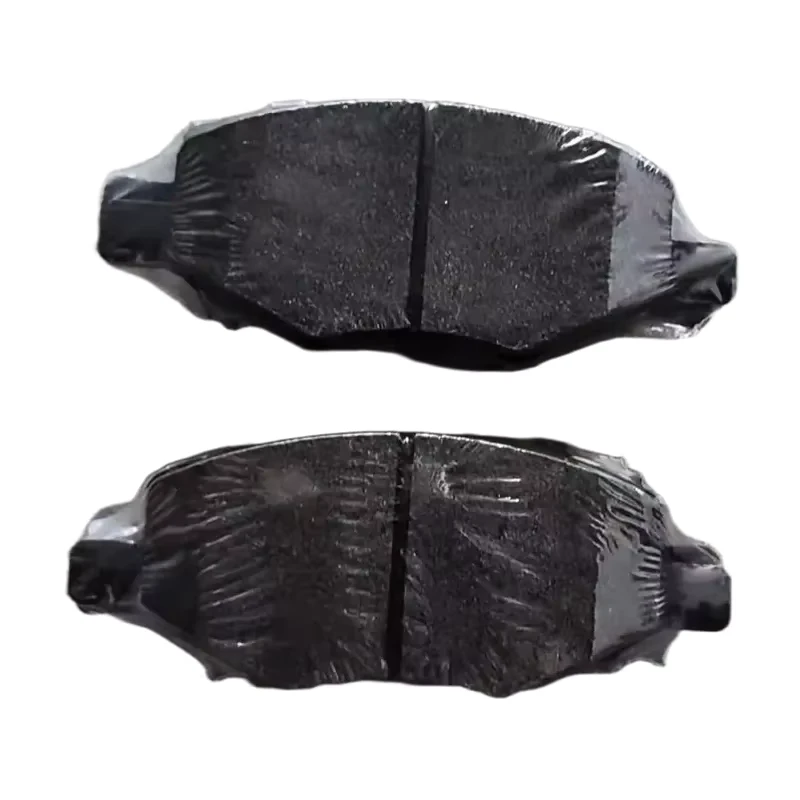
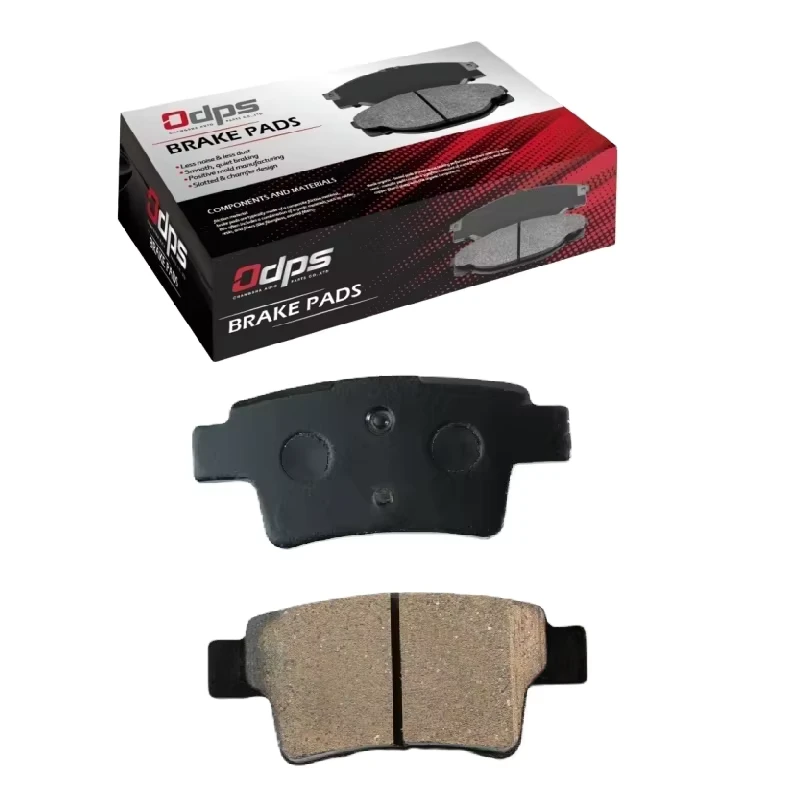
The D1539-7880 brake pads provide another option for aftermarket sourcing programs. Material choices include semi-metallic, heavy-duty low-metallic, ceramic, and high-end ceramic formulations, with FF, FG, and GG grades listed. Referenced OE numbers include 0446602181, ZZSB49230A, and ZZC53323Z. Because model and OE information can vary by market, sample verification and catalog matching remain important procurement steps.
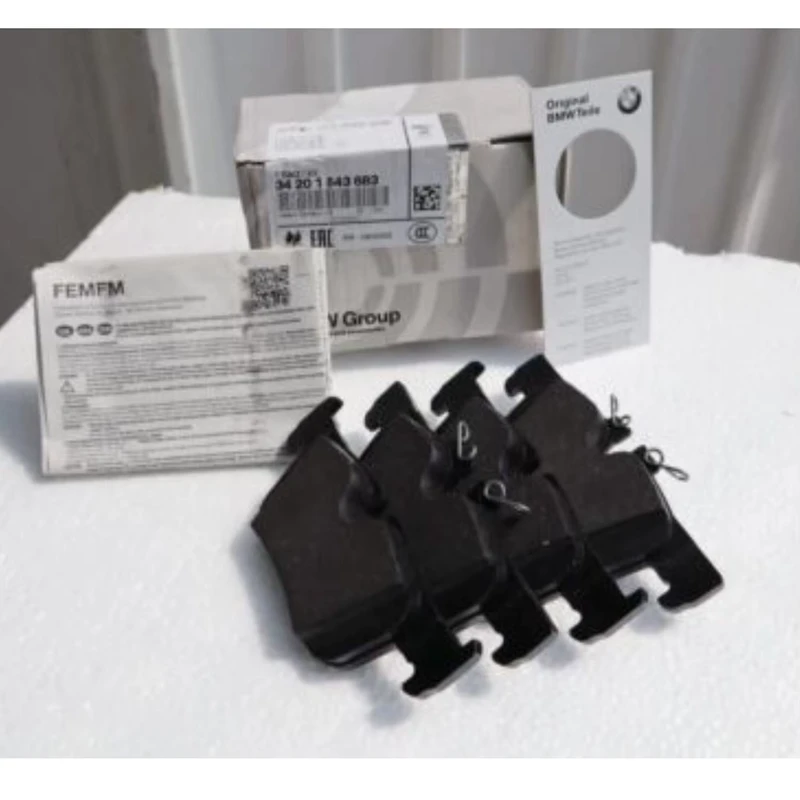
A Focused Ford Front-Axle Option
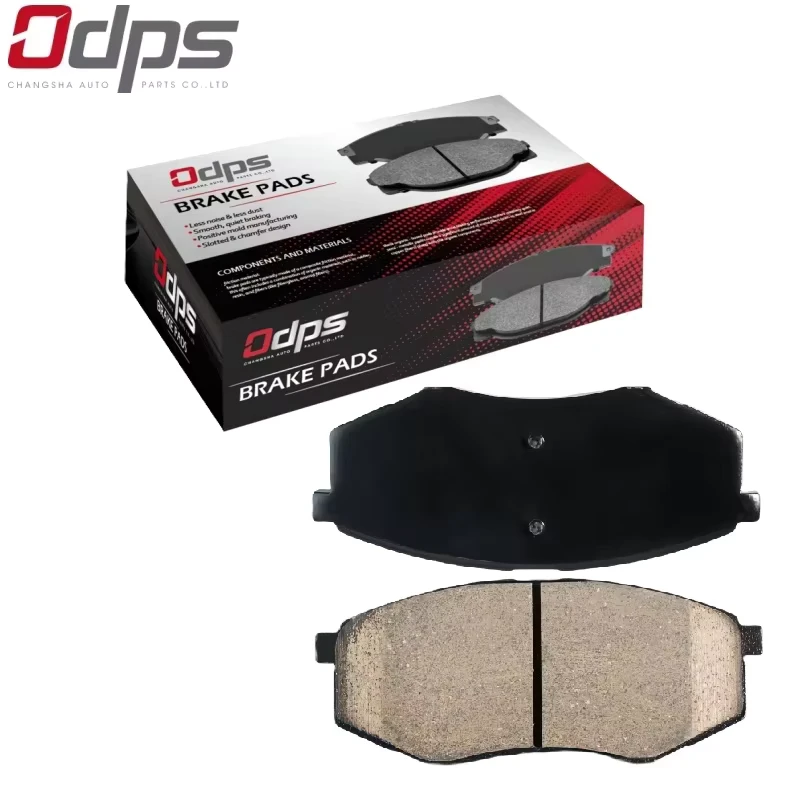
For a more defined application, the ECE R90 front pads are listed for Ford B-Max, Fiesta, and EcoSport applications. They feature a ceramic, low-dust formulation, a stated friction coefficient of 0.38–0.42, high-temperature resistance, and quiet-operation characteristics. References include 1751951 and AY1Z2001B, while the listed documentation covers TÜV, ISO/TS16949, and ECE R90 requirements.
Explore the wider brake pad range or send your OE numbers, vehicle list, target market, preferred formulation, packaging needs, and order quantity. This information helps establish fitment, documentation, commercial terms, and a practical quotation for your distribution or private-label program.