Compare ceramic and metallic friction options, low-noise multi-brand pads, and GEELY BINYUE rear sets for a stronger wholesale offer.
A competitive brake pad catalog needs more than a long list of part numbers. Importers and distributors benefit from organizing the range around three practical buying concerns: friction material, driving comfort, and exact vehicle fitment. This structure helps sales teams explain product differences while giving buyers clearer choices for local market segments.
Cover Different Friction and Driving Requirements
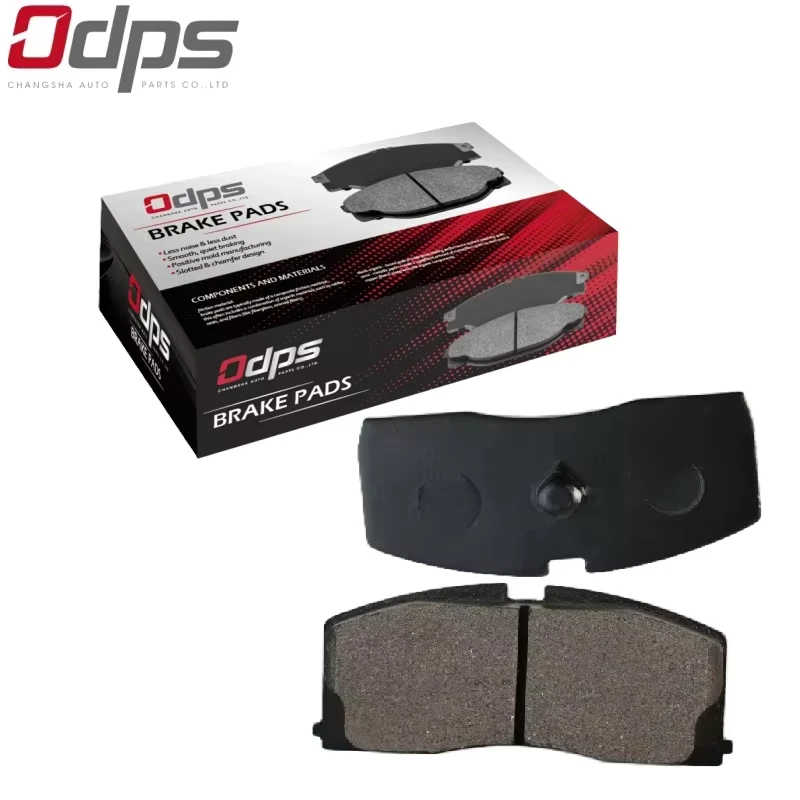
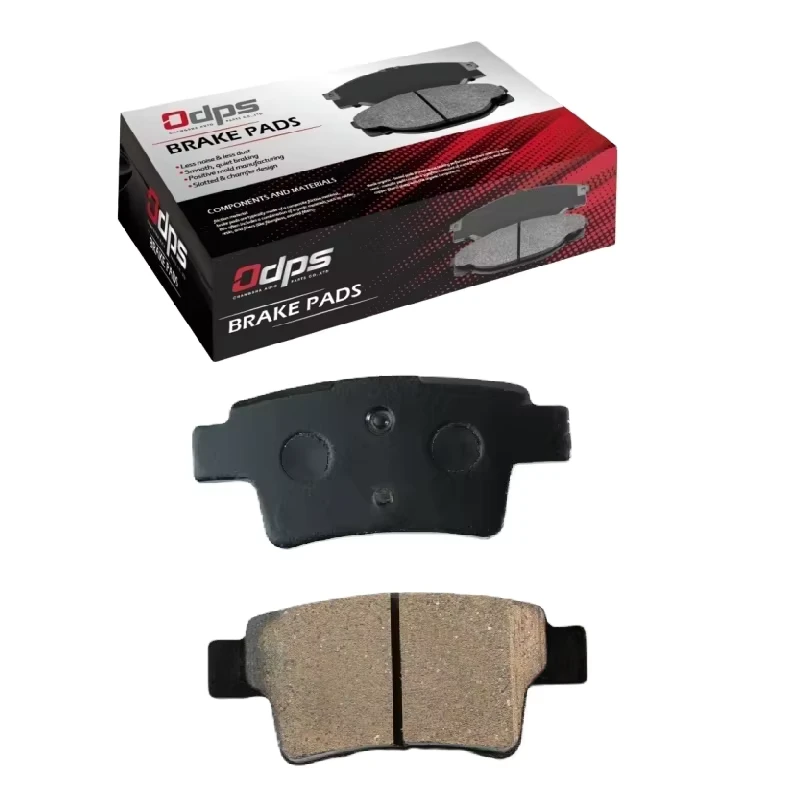
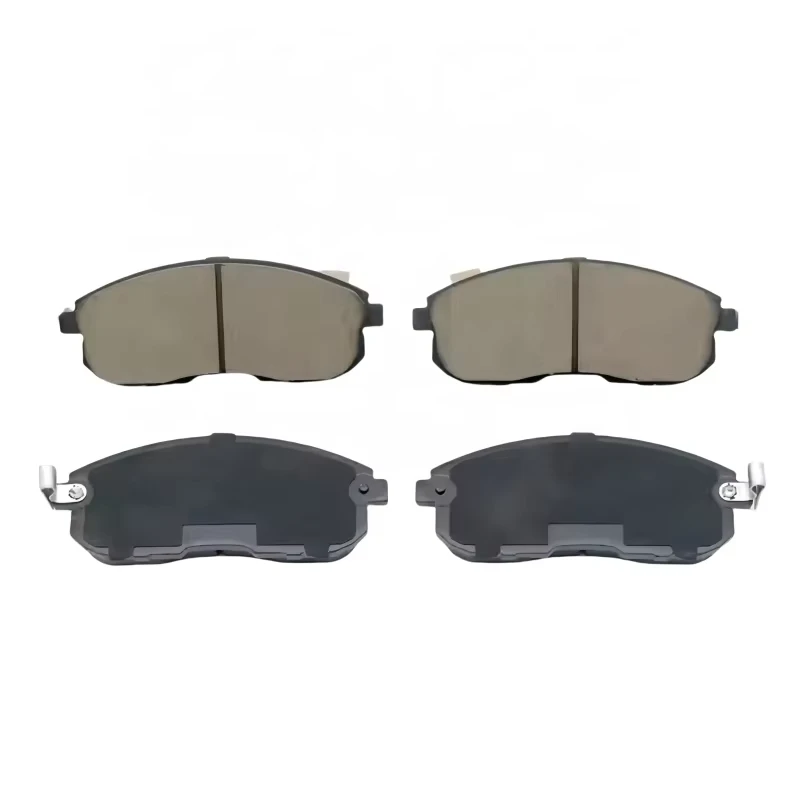
The ODPS brake pad range supports semi-metallic, low-metallic heavy-duty, ceramic, and high-end ceramic specifications. Available friction grades include FF, FG, and GG, while references such as D1551, D2100, 8761, and 58302-3MA30 help purchasing teams begin the fitment review. Material, grade, and target driving conditions should always be confirmed together before ordering.
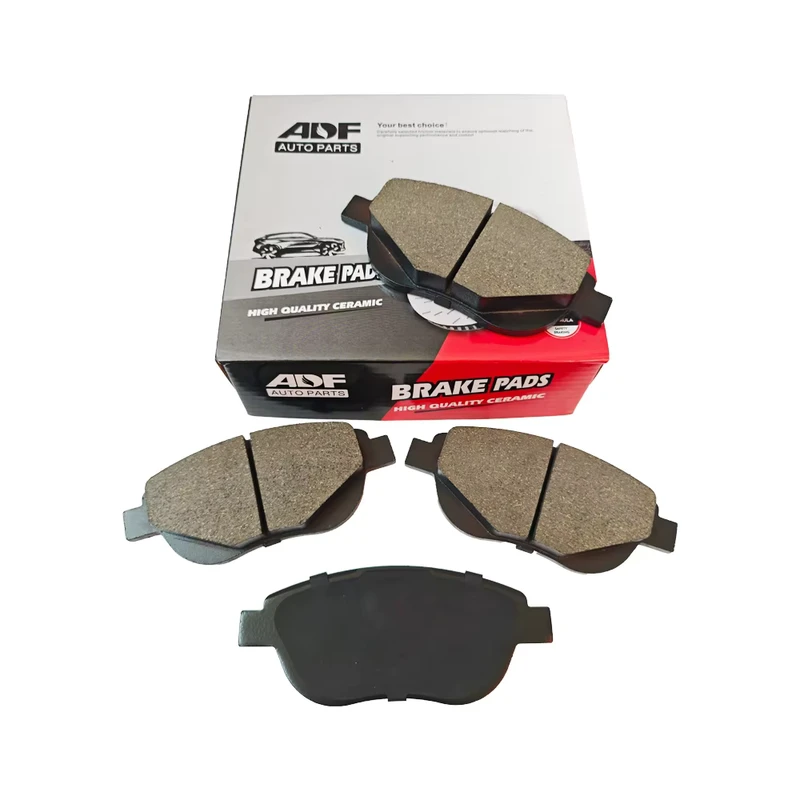
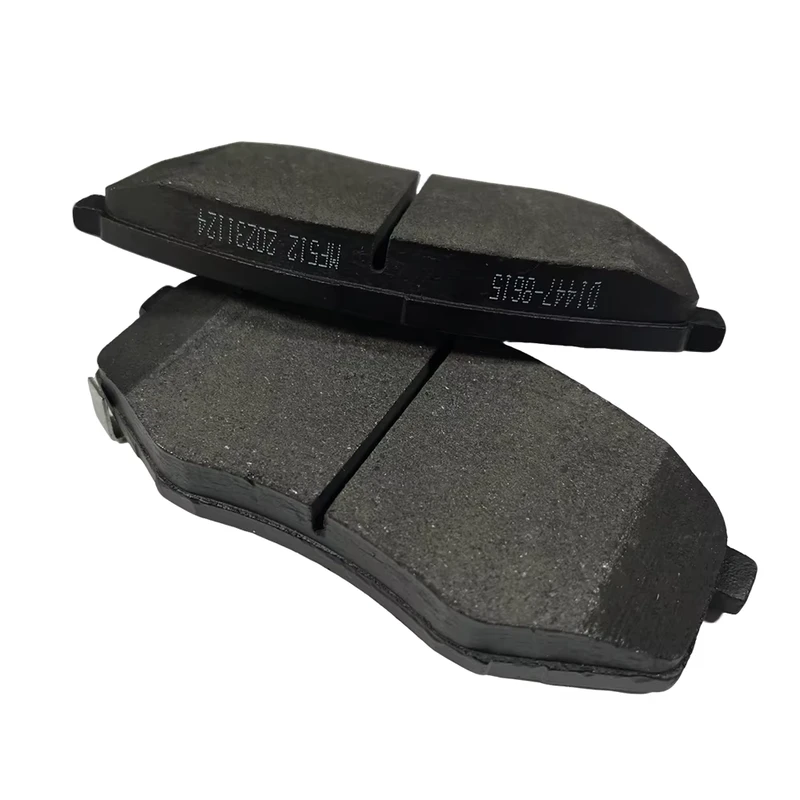
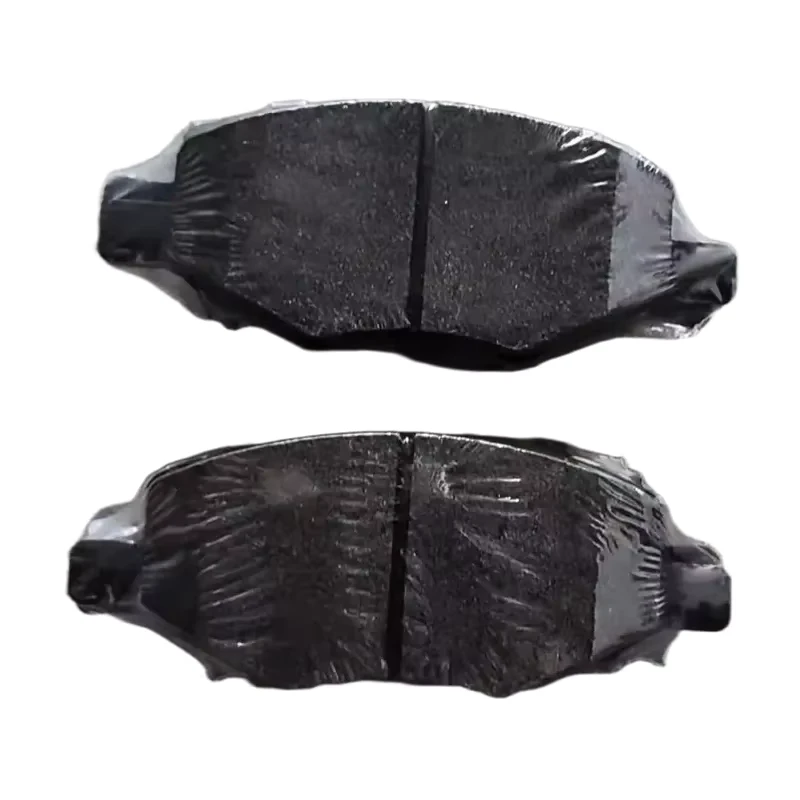
For passenger vehicles where ride quality influences replacement decisions, the low-noise brake pads provide another useful product direction. They are presented for front or rear applications across selected Chevrolet, Mazda, Nissan, Opel, and Jaguar vehicles, with OE references including 425235, 425252, and 425253. Low-dust, quiet, and durable characteristics make this option relevant to urban commuting and long-distance use.
Add Model-Specific Coverage
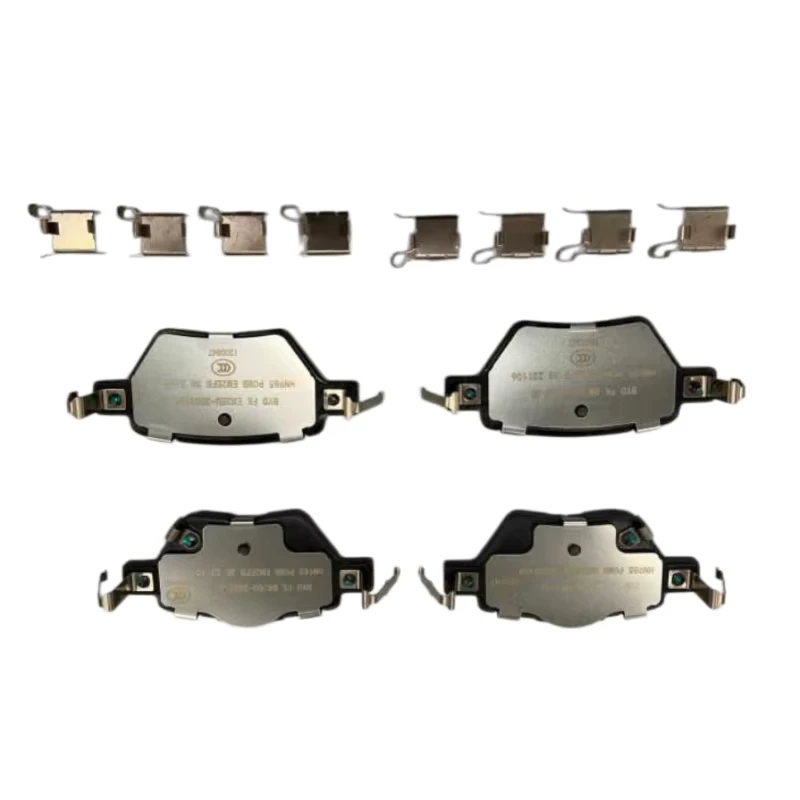
Broad coverage should be balanced with precise applications. The GEELY rear pad set is intended for BINYUE, BINYUE MHEV, and BINYUE PHEV models, with OE references 4050043100 and 6600137088. Sample support and customizable packing also make it practical for fitment validation and brand presentation planning.
Buyers can review the wider brake pad collection and send a vehicle list, OE references, target materials, packaging requirements, and expected volumes. A complete inquiry allows the supplier to confirm compatibility, commercial terms, production timing, and shipping options efficiently.